
Resnick Audiology
Understanding Audiograms and What the Results Mean
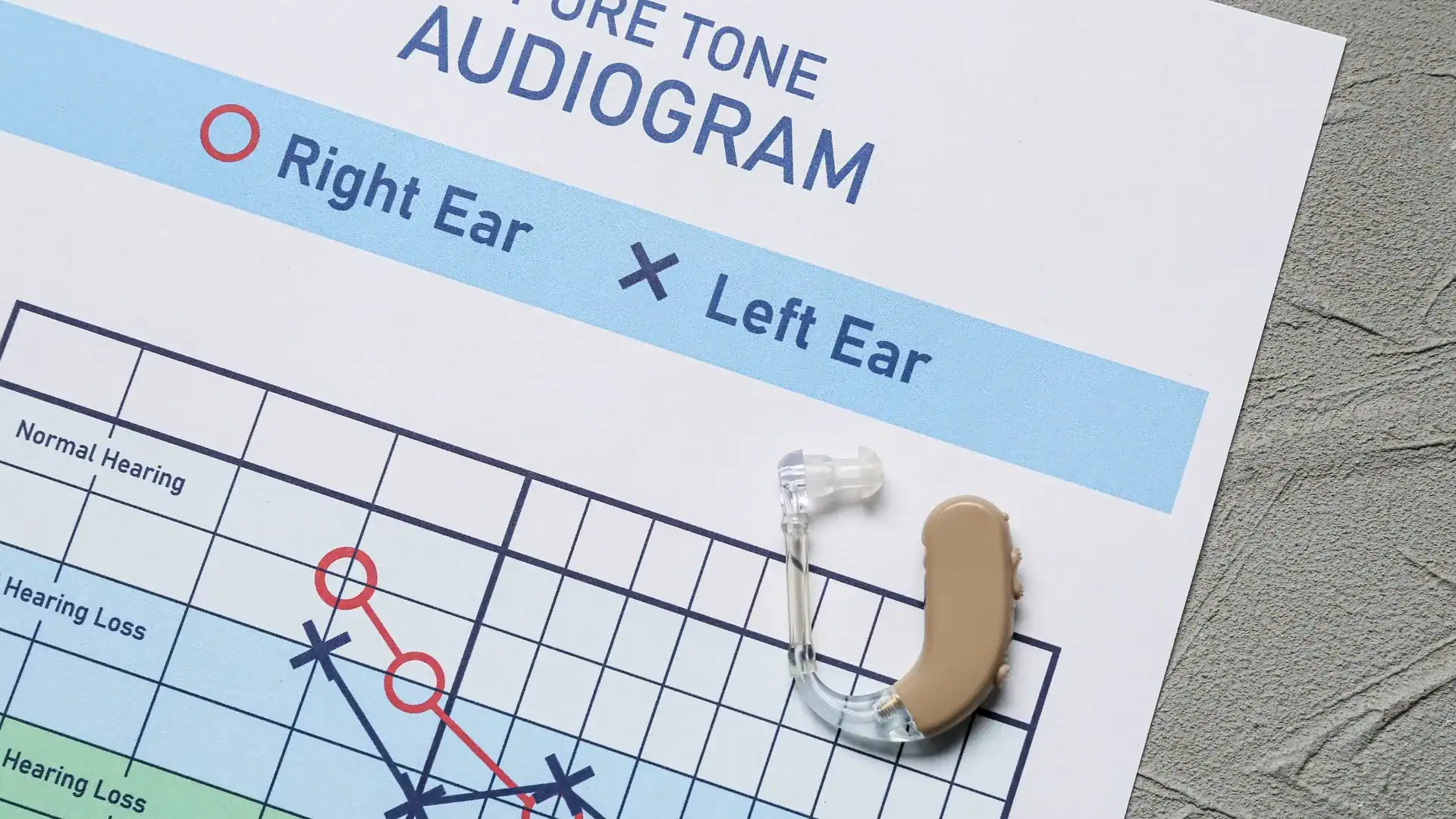
An audiogram often looks intimidating at first glance, yet it simply tells a clear story about hearing ability across pitches and loudness. Many people leave appointments holding this graph with more questions than answers, even though the information can guide confident next steps. Understanding how the lines, numbers, and symbols work together removes much of the uncertainty tied to hearing results.
When the chart makes sense, conversations about communication, work demands, and daily comfort feel calmer and more grounded. This explanation breaks the chart into familiar ideas without clinical stiffness or overwhelming detail.
Why the Axes Matter More Than the Lines
The audiogram is a graph showing how soft sounds can be heard at different pitches, with pitch running left to right and loudness running top to bottom, allowing patterns of hearing ability to appear quickly rather than hiding inside long test descriptions during routine evaluations.
Although it looks technical, the chart follows everyday logic, since higher sounds like birds sit on one side, lower sounds like engines sit on the other side. Softer versus louder positions show how much effort hearing requires in daily environments across varied listening situations.
Reading the Symbols Without Overthinking Them
Most audiograms use simple symbols to mark responses, often circles for one ear and crosses for the other, while brackets or arrows suggest bone responses. These various markings help separate ear pathway issues from inner ear concerns without needing lengthy explanations during standard hearing test reviews and discussions.
A common misunderstanding assumes darker or deeper marks signal worse results. However, the mark’s position on the graph matters far more, because a symbol placed lower shows louder needs, regardless of color, shape, or printing style used by a clinic during routine hearing evaluations and reports shared.
Degrees and Types of Hearing Loss Explained
Hearing levels are grouped into ranges like mild, moderate, or severe, based on how loud sounds must be before detection occurs, which helps predict communication strain rather than labeling anyone with a rigid or limiting description during conversations about work, family, safety, and daily life.
Another layer involves type, since conductive patterns point toward outer or middle ear barriers, while sensorineural patterns reflect inner ear changes, and mixed patterns show overlap. These differences guide medical versus amplification decisions more clearly when treatment planning discussions begin with hearing care teams and families involved.
Speech Scores and What They Add to the Picture
Beyond tones, many tests include speech reception thresholds and word understanding scores. These show how hearing performs in realistic listening, since recognizing words involves timing and clarity that pure tones cannot fully capture during everyday conversations, meetings, phone calls, classrooms, and social settings.
A strong speech score alongside weaker tone results can explain why some people manage well socially. Lower speech clarity often predicts frustration, even when tone thresholds seem acceptable on paper alone during busy environments, workdays, family gatherings, restaurants, and public spaces.
When Normal Results Still Feel Wrong
An audiogram may fall within typical ranges, yet listening fatigue, ringing, or difficulty in noise can persist. This is because tests occur in quiet rooms and cannot mirror crowded workplaces or complex soundscapes where overlapping voices, machines, traffic, and stress affect listening comfort and focus.
This gap explains why concerns deserve attention even after normal charts, since hearing health includes brain processing and tolerance, not just ear sensitivity. An audiogram can support follow-up discussions during ongoing care, workplace adjustments, lifestyle changes, stress management, and communication planning efforts over time.
Using Results to Plan the Next Step
Results gain meaning when paired with thoughtful planning, whether that involves medical care, hearing devices, or communication strategies. Scheduling a professional review allows questions to surface while options remain open and manageable for individuals, families, employers, and caregivers seeking clarity and reassurance together.
Using the audiogram as a shared reference supports informed decisions. That’s why contacting a hearing clinic or ear specialist for a detailed conversation can turn lines on paper into practical steps that improve daily communication confidence at home, work, school, and social settings over the coming months.