
Resnick Audiology
The Latest Advancements in Hearing Aid Technology
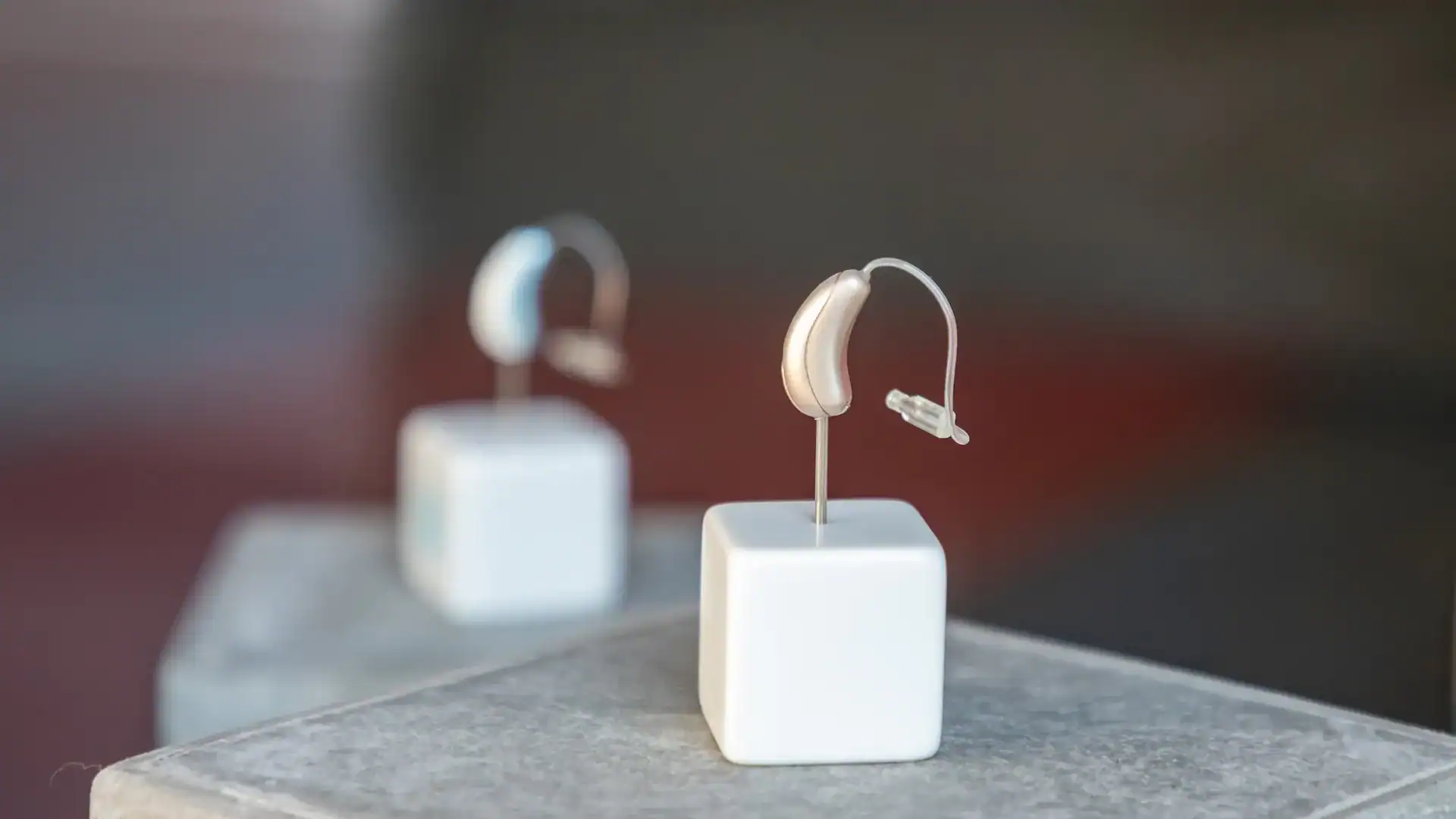
Hearing aid technology has improved rapidly over the past decade. Modern devices are smaller, clearer, and more customizable than ever before. These improvements have given people with hearing loss more control, better hearing in difficult environments, and greater comfort in daily life. Understanding these advancements helps individuals make informed choices when considering hearing aids for the first time or upgrading older devices.
Improvements in Sound Processing
One of the most significant advancements in hearing aid technology involves sound processing. Sound processing refers to how a device receives sound, analyzes it, and delivers it to the user clearly and naturally. Older hearing aids often made all sounds louder, which could be overwhelming. Modern devices are more selective.
Current hearing aids use digital signal processing to separate speech from background noise. This allows users to understand conversations more easily in busy places like restaurants, classrooms, and stores. Many models can automatically adapt to different sound environments without requiring the user to adjust settings manually. This makes the listening experience smoother and more comfortable.
Connectivity and Wireless Features
Wireless technology has changed how hearing aids interact with other electronic devices. Many modern hearing aids can connect to smartphones, tablets, and televisions through Bluetooth. This means users can stream phone calls, music, videos, and navigation instructions directly into their hearing aids. Streaming reduces interference from background noise, improving clarity.
Smartphone apps have also become valuable tools. These apps allow users to adjust volume, change listening programs, and check battery levels. For younger users or those with active schedules, this type of control can make a big difference.
Some hearing aids can connect to remote microphones placed near a speaker in a classroom, meeting, or lecture. The sound is then sent straight into the hearing aids, improving speech understanding at a distance.
Rechargeable Batteries
Rechargeable batteries are among the most consumer-friendly advancements in hearing aids. In the past, users had to frequently replace small disposable batteries. This could be inconvenient, especially for older adults or individuals with limited hand dexterity.
Rechargeable hearing aids use charging docks instead of disposable batteries. Most models only need to be charged once per day. They are more environmentally responsible and reduce the long-term cost of purchasing disposable batteries. This feature has made hearing aids easier and more practical to use.
Artificial Intelligence and Machine Learning
Artificial intelligence, often called AI, has begun to shape the future of hearing aids. AI-powered hearing aids learn how the user listens in different environments. Over time, they make automatic adjustments that match personal preferences. This helps users hear more clearly without needing to adjust settings themselves.
Some AI systems can analyze complex environments, identify speech patterns, and improve sound direction. Some models track body movement, detect falls, or monitor brain activity related to listening effort. Although these features may sound advanced, they are designed to support safety and reduce stress during communication.
Smaller and More Comfortable Designs
Modern hearing aids are available in a wide range of sizes and styles. Many devices are extremely small and sit comfortably inside the ear canal. Others rest behind the ear and are nearly invisible when worn. These improvements encourage more people to seek treatment because they feel confident wearing discreet devices.
Comfort has also improved due to better materials and custom fittings. Custom molds are shaped to fit the user’s ears, which helps secure the devices during exercise or daily activities. Lighter materials reduce irritation and make long-term wear easier.
Improved Durability and Moisture Resistance
Hearing aids must function in a wide range of environments. Older devices were sensitive to moisture, dust, and sweat. Newer hearing aids offer better durability. Many models now include protective coatings that resist moisture and debris. While most hearing aids are not fully waterproof, improved protection makes them more reliable for individuals who live active lifestyles or work in demanding environments.
Remote Support and Telehealth Services
Another major advancement is remote support. Many hearing aids allow users to share performance data with their hearing care professional through secure apps. The professional can adjust settings remotely, explain how to use features, or provide troubleshooting assistance without requiring an in-person visit.
This is helpful for individuals who live far from clinics or have limited mobility. Telehealth options also make ongoing care easier for families and caregivers.
Conclusion
Hearing aid technology has made remarkable progress in recent years. Advances in sound processing, connectivity, rechargeable batteries, AI, design, and durability have created devices that are more effective, convenient, and comfortable. These innovations allow individuals with hearing loss to stay engaged in conversations, succeed in school or at work, and enjoy everyday experiences. As research continues, hearing aids will become even more capable, improving communication and quality of life for people around the world.