
Resnick Audiology
How Lighting Affects Speech Perception
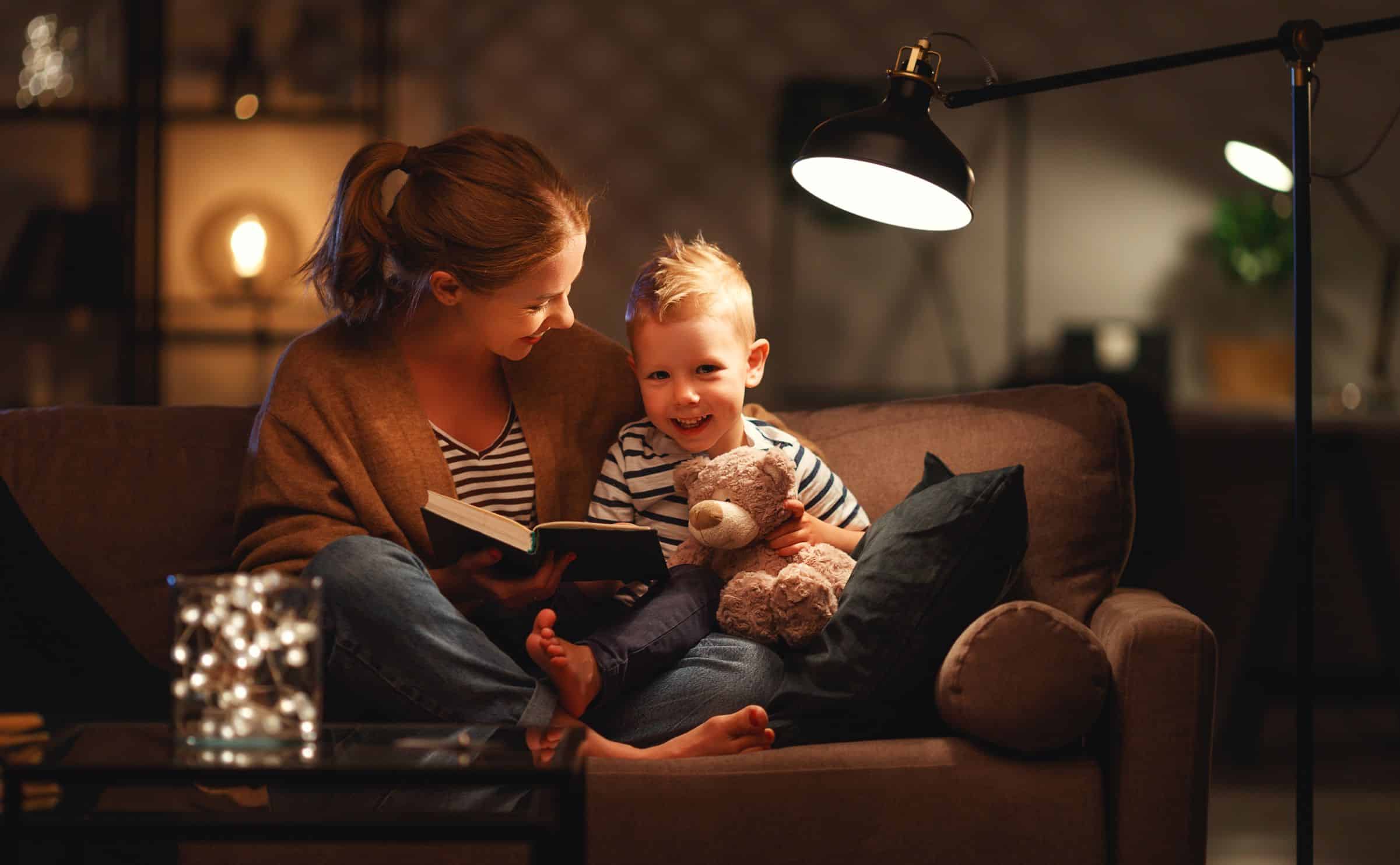
When one thinks about communication, they usually focus on the ears and the ability to hear. However, understanding speech is a multi-sensory experience. This means that the brain uses more than just sound to figure out what someone is saying. The eyes play a huge role in the speech perception process. One of the most important factors in visual communication is lighting. If the lighting in a room is poor, it can make it much more difficult to follow a conversation, even if your hearing is relatively good.
The Connection Between Sight and Sound
Speech perception is the way the brain interprets the sounds of language. To do this effectively, the brain often looks for visual cues to fill in any gaps in the audio. When you watch someone speak, you are looking at their lips, their teeth, and the movement of their tongue. You also look at their facial expressions and hand gestures.
If the lighting is too dim, these visual cues disappear. Without the ability to see the speaker’s mouth clearly, the brain has to work much harder to process the information. For individuals who use specialized tools to help them hear, such as hearing aids, having clear visibility is an essential partner to their technology.
The Impact of Shadows and Glare
Not all light is helpful for communication. The quality and direction of the light are just as important as the amount of light. For instance, if a speaker is standing in front of a bright window, they might appear as a dark silhouette. This is called backlighting. When this happens, their facial features are hidden in shadow, making it almost impossible to see their expressions or lip movements. To improve communication, it is always better to have the light source facing the speaker rather than behind them.
Glare is another common issue that can interfere with speech perception. Glare occurs when light reflects off a shiny surface, like a polished table or a computer screen, and shines directly into your eyes. This can be distracting and may cause you to squint or look away, which means you miss the speaker’s visual cues. Overhead lighting that is too harsh can also create deep shadows on a person’s face, specifically around the mouth and eyes. These shadows can hide the very movements that help people understand speech. Proper lighting should be soft and even to ensure that every part of the speaker’s face is visible.
Lighting and Language Development
The importance of lighting in communication is not limited to adults. It is also a critical factor for children who are still learning how to use language. Children rely heavily on watching the adults around them to learn how to form sounds and words. If a child is in a classroom or a home environment with poor lighting, they may struggle to pick up on the subtle movements required for clear speech. This can sometimes lead to delays in how they process language or interact with their peers.
Ensuring that learning environments are well-lit is a simple way to support a child’s development. If you have concerns about how a young person in your life processes auditory and visual information, it may be helpful to consult with hearing health professionals. By addressing both the auditory and visual aspects of communication early on, you can help children build a strong foundation for their future social and academic success.
Improving Your Environment for Better Understanding
There are several practical steps you can take to make sure your environment supports good speech perception. Whether you are at home or out at a restaurant, being mindful of where you sit can make a big difference. If you are having a serious conversation, try to move to a well-lit area where you can see the other person’s face clearly. If you are in a group setting, arranging the seating in a circle or semi-circle can ensure that everyone has a clear line of sight to the speaker.
Practical Tips for Better Visual Communication
- Position yourself so that the light source is behind you and shining on the speaker’s face.
- Avoid sitting in areas with flickering lights or heavy shadows.
- Use lamps with shades to create a soft, even glow throughout the room rather than using one harsh overhead bulb.
By making these small adjustments, you can significantly improve your ability to communicate with others. Remember that communication is a team effort between your eyes and your ears. When you provide your brain with clear visual information through good lighting, you make the job of hearing much easier and more enjoyable for everyone involved.