
Resnick Audiology
How Does Otoacoustic Emissions (OAE) Testing Work?
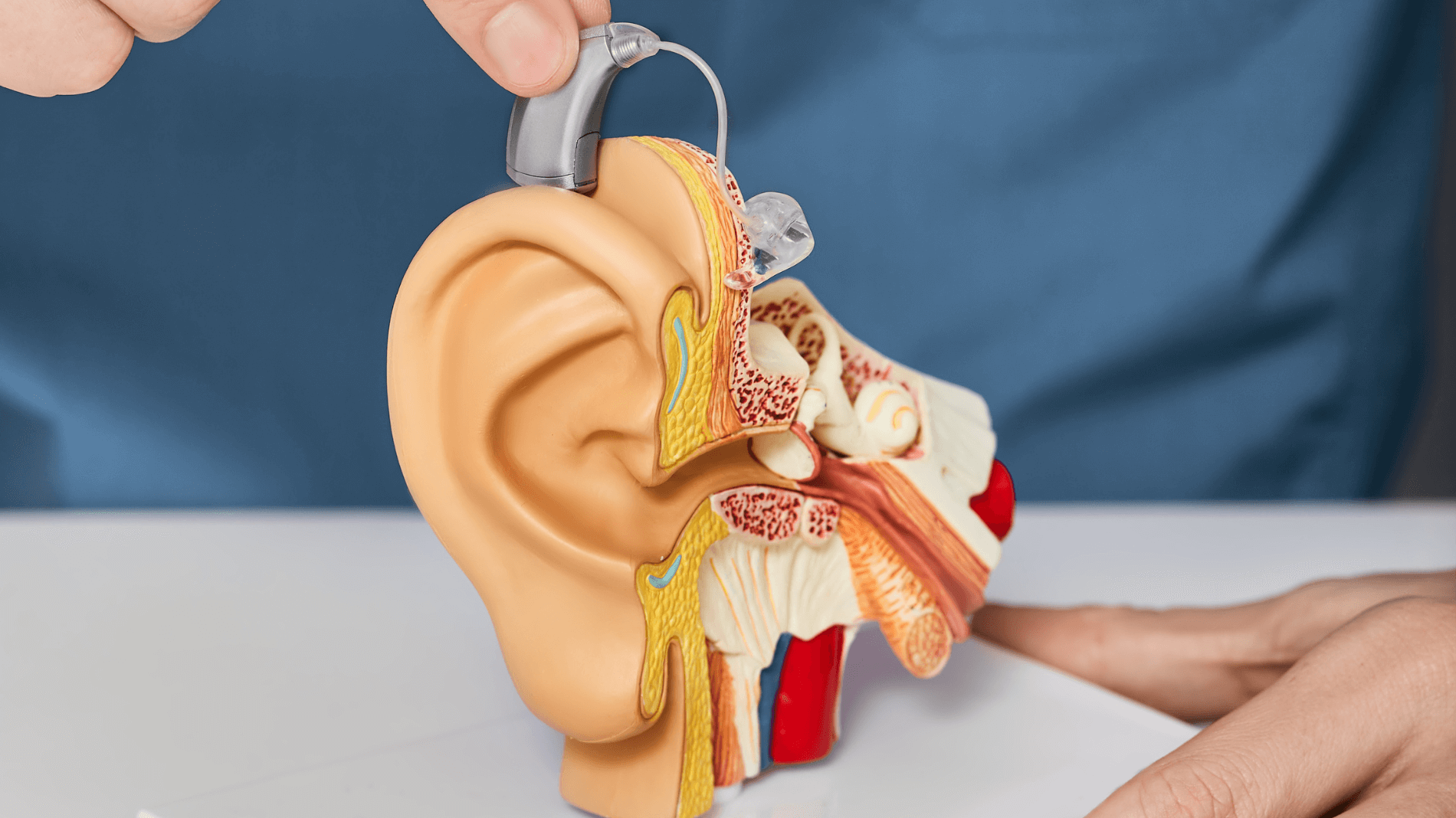
When sound enters the ear, something remarkable happens. The ear not only receives these sound waves but also produces faint sounds in response. This natural phenomenon forms the basis of otoacoustic emissions testing (OAE), a non-invasive procedure that has transformed how hearing health professionals assess auditory function, especially in the youngest patients who cannot yet communicate what they hear.
How OAE Testing Works
An OAE test involves putting a tiny probe with a sensitive microphone in the ear canal. This probe transmits gentle tones or clicks into the ear and then listens for the noises that come back. When sounds come into the ear, the outer hair cells of the cochlea in the inner ear respond by making their own modest vibrations. The probe picks up these vibrations as they exit the middle ear and ear canal.
This technique takes only a few minutes, doesn’t need the patient to do anything, and doesn’t hurt. OAE testing is especially useful for babies, young children, and people who can’t consistently react to regular hearing examinations.
What OAE Testing Measures
OAE testing measures the function and health of the outer hair cells in the cochlea. These cells act as amplifiers, enhancing the movement of the basilar membrane in response to sound vibrations.
When functioning properly, the cells generate sounds that travel back through the middle ear. The presence of these emissions generally indicates that the pathway from the outer ear through the middle ear to the cochlea functions normally. The absence of emissions suggests hearing loss of at least a mild degree.
The Role of OAE in Newborn Screening
Newborn hearing screening programs across the country rely heavily on OAE testing. Before this technology became widely available, many children with hearing loss went undiagnosed until language delays became apparent. Early identification allows for intervention at a critical period of brain development.
Most hospitals now perform OAE tests before babies leave the newborn nursery. The test can be completed while the infant sleeps, typically taking only minutes per ear. If a baby does not pass the initial screening, follow-up testing occurs within weeks.
Benefits Beyond Infant Screening
Newborn screening is perhaps the most renowned use of OAE testing; however, it can be valuable for people of all ages. OAE testing is a way to objectively evaluate hearing without requiring any behavioral reaction. This is helpful for those who can’t do traditional hearing exams because of cognitive problems or other reasons.
The method also helps keep an eye on patients who are taking medications that might harm the cochlea, making it possible to spot changes in hearing early on, before they become serious. OAE testing also helps tell the difference between hearing losses that start in the cochlea and those that start in other sections of the auditory system, which helps decide the best therapy.
Limitations and Complementary Tests
To correctly interpret results, it is important to know what OAE testing can and can’t do. The test does a good job of finding abnormalities in the outer hair cells of the cochlea, but it can’t find problems with the auditory nerve or how the brain processes sound. A person might pass an OAE exam but still have trouble hearing because they have auditory neuropathy or central auditory processing problems.
Because of this, a full hearing exam usually uses more than one approach. Auditory Brainstem Response (ABR) testing is commonly done together with OAE screening, especially for babies who are at high risk. These tests together give a better view of the whole auditory pathway, from the outer ear to the brainstem.
The Future of Hearing Assessment
Research continues to refine and expand applications for OAE testing. Technological advances have made equipment more portable and adaptive, allowing testing in various settings beyond clinical environments. Some school systems now incorporate OAE screening into their health programs, identifying previously undetected hearing issues in children.
The test also shows promise in monitoring subtle changes in hearing function over time, potentially detecting noise-induced hearing damage before it becomes apparent through conventional testing. Contact our licensed hearing health professional today to learn more about protecting your family’s hearing health for years to come.