
Resnick Audiology
Can You Be a Musician with Hearing Loss
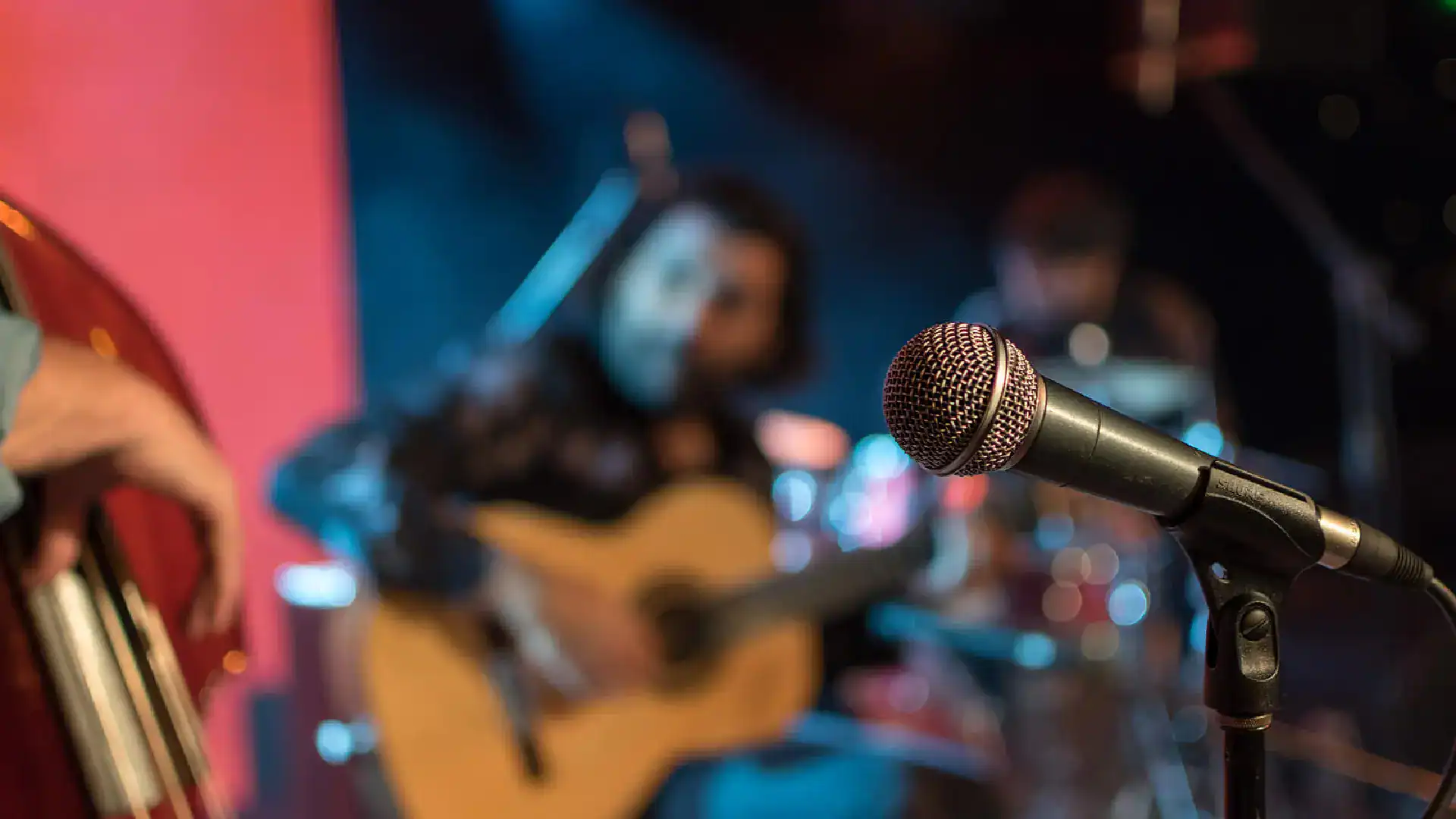
One of the best forms of human expression is music. In ways that words alone cannot, it evokes emotion, tells stories, and connects people. Hearing loss, however, can seem like the most terrible barrier to people who are passionate about music.
It is terrifying to consider losing touch with sound, which is the medium that defines a musician’s world. However, a musical process does not end when one has hearing loss. Even after hearing changes manifest, many musicians continue to compose, perform, and inspire.
The Complicated Connection Between Hearing and Music
Although they are not the same thing, hearing and music are closely related. Music exists in how the brain interprets sound, even though hearing permits sound to enter the ears. The brain retains its amazing ability to recognize tone, rhythm, and pitch even in the face of hearing loss. For many musicians, this means that the essence of music is still alive and accessible even though some frequencies may be more difficult to pick up.
Despite their hearing impairments, some of the most renowned musicians in the world have continued to perform. Beethoven’s name springs to mind, but there are also contemporary examples, such as musicians who continue to play by using memory, technology, and tactile feedback. These tales serve as a reminder that hearing loss alters the method rather than the enthusiasm.
How Artists Adjust to Modifications in Hearing
Musicians find new ways to engage with sound when their hearing starts to change. Using the body’s innate sense of timing and feel, some people rely more on vibrations or the physical experience of rhythm. To stay in sync, some people teach themselves to read visual cues from instruments, tuning software, or even other musicians.
Technology for hearing also plays a significant role. With programs that preserve rather than compress the richness of music, today’s hearing aids are made with musicians in mind. Performers can now more naturally hear the dynamic range of their instruments thanks to these developments. Many people find that a good hearing aid feels more like a reconnection than a correction.
Musicians with Hearing Loss: Their Emotional Path
In addition to affecting the ears, hearing loss also has an impact on self-expression, identity, and confidence. That can be especially difficult for musicians. When you no longer hear music in the same way, you may experience fear or sadness. However, a lot of artists find new forms of expression with time and encouragement.
According to some, the experience taught them to trust their gut more than their eyes. They pay attention to rhythm, texture, and intuition rather than just what is audible. By doing this, they find a stronger, more emotional bond with their art. Perfectly hearing sound becomes less important than experiencing it in other ways.
Technology That Maintains Sound Connections for Musicians
Amazing solutions are available in the field of modern hearing care to keep musicians engaged with music. The ability to program high-quality hearing aids, especially for music, reduces distortion and maintains clarity. Custom in-ear monitors add another level of accuracy for studio musicians by assisting in the safe management of volume while preserving sound detail.
Regular hearing examinations guarantee that monitors or hearing aids are operating at their peak efficiency even when not in performance settings. Adjustments that maintain the most realistic sound possible by fine-tuning microphone sensitivity or frequency balance are helpful to musicians.
The Significance of Awareness and Prevention
Years of exposure to loud noises can cause hearing loss in many musicians. Understanding how exposure to sound affects the ears is important. Long-term hearing health can be significantly improved by even minor adjustments, like using high-fidelity earplugs or modifying rehearsal volumes.
To the surprise of some musicians, wearing hearing protection does not make listening to music less enjoyable. In actuality, professional-grade monitors and customized earplugs are made to preserve sound quality while lowering damaging decibels. Early hearing protection transforms awareness into longevity by enabling musicians to continue producing without compromising.
Maintaining the Music with Help and Direction
Although hearing and music are linked, neither should be limited. With the correct support, tools, and attitude, hearing loss need not stifle creativity. The secret is to collaborate with experts who are knowledgeable about both musical needs and hearing science.
A significant first step for any musician who notices changes in sound perception is to schedule a hearing evaluation. It provides access to solutions created especially for musical life, such as sound management techniques and cutting-edge hearing technology. For many years to come, hearing health professionals can contribute to preserving the joy of music.